Lilongwe University of Agriculture and Natural Resources (Luanar) Associate Professor of nutrition Alexander Kalimbira has urged stakeholders in Dedza District to strengthen collaboration to address malnutrition through diversified food production and coordinated food systems interventions.
He made the call on Monday during a three-day training organised by German development agency GIZ in Lilongwe for members of Dedza District Food Systems Transformation (FST) Steering Committee.
The training sought to strengthen participants’ understanding of nutrition issues and food systems transformation, including the development of messages to promote healthier diets and sustainable food production.
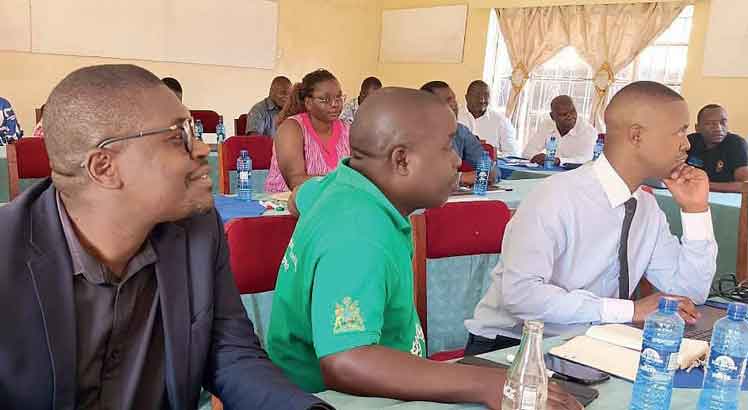
Kalimbira said Dedza was among the districts facing significant malnutrition challenges, including stunting, undernutrition and micronutrient deficiencies while overweight and obesity were also emerging as concerns nationwide.
“These problems in Dedza District cannot be solved by nutritionists alone. We need multisectoral collaboration,” he said.
Kalimbira, therefore, urged government departments, civil society organisations and other stakeholders to work together to ensure that households access sufficient and nutritious food.
Dedza District Council principal nutrition, HIV and Aids officer Lottie Makina said that maize production was particularly vulnerable to floods and dry spells, making it necessary to encourage farmers to grow other crops that can contribute to household food security and nutrition.
With stunting prevalence in Dedza reported at 38.8 percent against the national prevalence rate of 38, he said addressing nutrition challenges requires concerted efforts to improve food production, availability and consumption.
While thanking GIZ for supporting the training, the council’s director of agriculture Enford Kanyimbo urged participants to translate the knowledge into practical interventions in their respective sectors, stressing the importance of continued engagement beyond the training.